
Does the 3-day sardine fast work for weight loss? This viral challenge asks people to eat almost nothing except sardines for 72 hours. Some participants report seeing a lower number on the scale, but that alone does not show that they lost the same amount of body fat. The approach is extremely restrictive, is not a true fast, and has not been tested in clinical trials as a special weight-loss method.
Sardines themselves can be an excellent pantry protein. The important difference is between including this nutrient-rich fish in a varied diet and relying on one food for every meal. Here’s what the 3-day sardine fast actually involves, what results might mean, what experts say about risks, and how to enjoy sardines in more sustainable ways.
What is the 3-day sardine fast?
The 3-day sardine fast is a social-media diet challenge typically built around eating sardines and little or nothing else for three days. Some online versions allow plain water, coffee or seasonings. Its followers sometimes describe it as a “reset” or a way to encourage ketosis, a state in which the body produces more ketones when carbohydrate availability is low.
Calling this approach a fast is misleading. A true fast involves going without calorie-containing food for a period of time; sardines provide calories, protein and fat. More accurately, this is a 72-hour single-food elimination diet. It is also different from ordinary intermittent fasting, which changes eating times rather than requiring one specific food.
A Healthline report updated in August 2026 discusses the viral sardine-only trend and quotes dietitians who caution against exclusive single-food diets. A medically reviewed Patient.info explainer also examines the trend rather than endorsing it.

3-day sardine fast results: what might happen to your weight?
Many posts about 3-day sardine fast results emphasize a “before and after” scale reading. However, your weight fluctuates for several reasons that do not necessarily reflect changes in body-fat tissue.
1. Water weight can change quickly
A sudden reduction in carbohydrate intake can change the amount of glycogen stored in the body. Glycogen is stored together with water, so shifts in these stores can contribute to a rapid drop in scale weight. Changes in sodium intake, digestive contents and hydration can also move the number up or down. Some weight may return when normal eating patterns resume.
2. Eating fewer total calories may affect weight
A very narrow menu may cause some people to eat less energy than usual, simply because the choices are so limited. That is not a unique fat-burning effect of sardines. Calories still matter, and a very-low-calorie short-term restriction is not a substitute for a nutritionally complete plan a person can follow over time.
3. You cannot measure fat loss from the scale alone
Even when someone’s weight changes in three days, the scale does not separate fat mass from water, gut contents and normal day-to-day variation. Dramatic testimonials, “before and after” photos and self-reported weight figures do not establish that a particular diet caused lasting fat loss. There is no reliable number of pounds you should expect to lose from this challenge.
The dietitian-reviewed Noom analysis likewise explains that an apparent short-term result can reflect lower calorie intake and water changes rather than a unique property of sardines.
Is there scientific evidence that a sardine fast burns fat?
No clinical trial evidence currently establishes the 72-hour sardine-only challenge as a superior fat-loss strategy. This does not mean that sardines are unhealthy or that nobody’s weight can change during a restrictive diet. It means there is no sound basis for claiming that eating only sardines has a special, proven metabolic advantage.
Studies on other forms of fasting should not be presented as proof for this sardine-only plan. For context, a 2026 Cochrane review found that intermittent-fasting approaches may make little or no difference to weight loss compared with conventional dietary advice in adults with overweight or obesity. Intermittent fasting is a different intervention, so those findings do not directly test the sardine challenge.
Why are canned sardines popular with weight-conscious eaters?
Sardines have genuine nutritional advantages. They provide complete protein, vitamin B12 and omega-3 fats. Some canned varieties include soft, edible bones that add calcium. They are also shelf-stable, affordable, and ready to use in quick meals. It is reasonable to appreciate these benefits without turning sardines into a three-day-only menu.
Nutrition numbers vary by species, can size and packing liquid. USDA FoodData Central lists about 24.6 grams of protein per 100 grams for a reference item of canned Atlantic sardines in oil, drained. That is a reference, not a guarantee for every tin; use the nutrition label on the one you buy.
If you want to understand how packing liquid changes calories and flavor, read our comparison of sardines in water vs olive oil.
Potential downsides of eating only sardines for three days
Missing fiber and food variety
Sardines contain essentially no dietary fiber, while fruits, vegetables, beans and whole grains provide it. A fish-only menu excludes much of the food variety that helps people meet their needs for fiber, vitamin C and other nutrients. Three days cannot be treated the same as months of restriction, but there is little nutritional benefit to deliberately excluding those foods.
Sodium can add up
Sodium varies greatly across tins, including water-packed, oil-packed and flavored versions. Eating multiple canned servings a day could provide a large amount of salt, particularly for people advised to limit sodium. Always compare actual product labels rather than relying on general averages.
Digestive symptoms and difficulty sustaining the plan
Some people experience constipation, fatigue, nausea or other discomfort on extremely limited diets. A monotonous menu also fails to teach the flexible meal-building habits needed for weight management after a short challenge ends. If a restrictive plan leaves you feeling unwell, it is not a useful wellness strategy.
Medical circumstances matter
Abruptly restricting food groups can be especially inappropriate for people who are pregnant or breastfeeding, have a history of disordered eating, or manage medical conditions or medications that affect blood sugar, kidney function or nutrition requirements. If any of those apply, seek individualized advice from a qualified healthcare professional rather than experimenting with an internet challenge.
What about mercury in sardines?
Mercury is not the main reason to avoid the sardine-only trend. The US FDA/EPA includes sardines in its “Best Choices” fish category for relatively low mercury. At the same time, the agencies encourage people to eat a variety of fish and to follow their serving guidance, particularly during pregnancy and for children.
Being a lower-mercury fish does not make a sardine-only diet nutritionally complete. Those are two separate questions. See the FDA/EPA Advice About Eating Fish for the current category and guidance.
A better way to eat sardines for weight-management goals
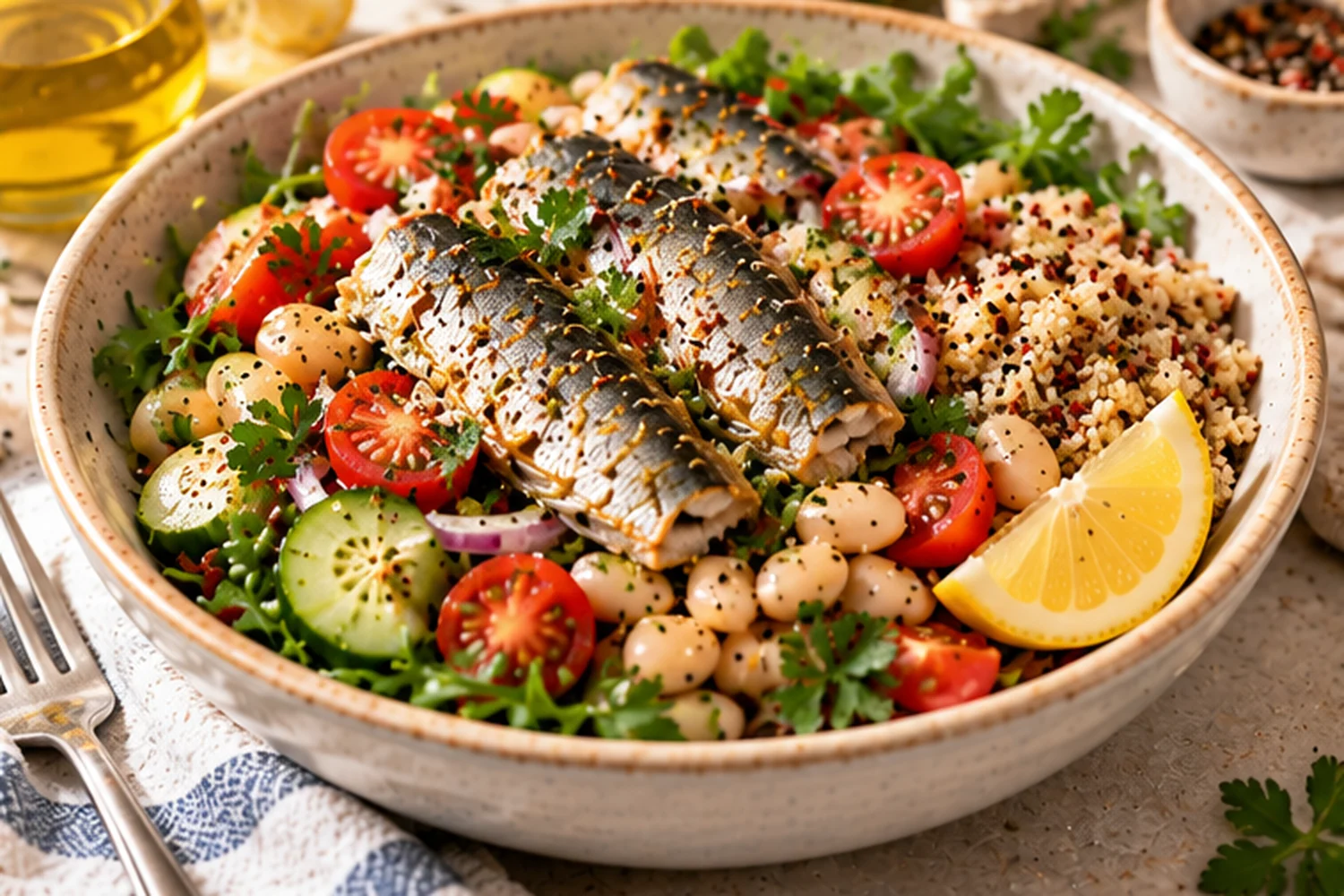
Instead of a 3-day sardine fast meal plan, consider using sardines in ordinary balanced meals on days when you enjoy them. Combine a protein portion with vegetables and, according to your needs, beans, fruit or whole grains. This adds fiber, texture and nutrients that canned fish does not provide on its own.
Some practical combinations include:
- Sardine and chickpea salad: drained sardines, rinsed chickpeas, cucumber, tomato, herbs and lemon.
- Whole-grain sardine toast: toasted bread, sardines, tomato and a measured amount of avocado or olive oil, plus fresh vegetables on the side.
- Quinoa and sardine bowl: cooked quinoa, spinach, roasted peppers and lemon-herb dressing.
- Sardine lettuce wraps: fish mixed with plain Greek yogurt and celery, spooned into crisp greens, with fruit or whole grains alongside.
Our seven easy canned sardine recipes include ingredient amounts, cooking steps and more meal ideas. You can also learn more about sardines as part of a varied diet in our complete sardines-for-weight-loss guide.

Frequently asked questions
Does the 3-day sardine fast really work?
There are anecdotal reports of short-term scale changes, but no clinical evidence that eating only sardines for 72 hours produces a special or lasting fat-loss benefit. Water balance and total calorie intake can explain part of a rapid change.
How much weight can you lose on a 3-day sardine fast?
There is no reliable, scientifically validated number. Weight changes vary and can reflect water and digestive contents, not just body fat. Avoid plans that promise a particular number of pounds in three days.
Will the sardine fast put you in ketosis?
Eating very few carbohydrates may increase ketone production in some individuals, but that depends on physiology and total intake. Ketosis does not prove extra body-fat loss, and it does not make a sardine-only plan nutritionally balanced.
Is a 3-day sardine fast the same as intermittent fasting?
No. The sardine challenge permits eating calories from fish; intermittent fasting instead defines periods of eating and not eating. Research on one should not be used as direct proof for the other.
Can I eat canned sardines every day?
People’s needs vary, but a diverse diet is generally more useful than depending on one protein source every day. The FDA/EPA classifies sardines among lower-mercury choices while encouraging seafood variety.
Are sardines in water or olive oil better for weight loss?
Neither has a special fat-burning effect. Water-packed sardines may simplify control over added oil; olive-oil-packed fish can also fit balanced meals. Compare the nutrition facts and what you actually eat.
Is the sardine fast safe for everyone?
No. Highly restrictive eating may be inappropriate with certain health conditions, during pregnancy, with some medications or for anyone vulnerable to disordered eating. Consult a qualified clinician for personalized guidance.
What is a healthier alternative to the sardine fast?
Enjoy sardines alongside vegetables, legumes and whole grains in varied meals, and choose a long-term dietary pattern that suits your needs. This is more consistent with NIDDK guidance on sustainable eating and physical activity.
Bottom line: should you try the 3-day sardine fast?
Sardines are nutritious; a sardine-only challenge is not a proven shortcut to sustainable fat loss. Rapid weight changes are not proof of remarkable fat burning, and an all-sardine menu lacks dietary fiber and food variety. If your goal is long-term weight management, you can get the protein and convenience of canned sardines while continuing to eat vegetables, whole grains, beans and other foods you enjoy.
Nutrition and medical note: This article is general education, not a treatment plan. Do not change prescribed medications or attempt severe dietary restriction based on social media. Seek individualized healthcare advice for medical conditions or special nutrition needs.
Sources and further reading
- Healthline: Sardinemaxxing vs. sardine fast (August 2026).
- Patient.info: Everything you should know about the 3-day sardine fast (medically reviewed).
- Noom: What is the sardine fast? (dietitian reviewed).
- Cochrane: Intermittent fasting versus dietary advice (note: not a trial of the sardine-only challenge).
- NIDDK: Eating and physical activity to lose or maintain weight.
- FDA/EPA: Advice about eating fish.
- USDA FoodData Central.
1 thought on “3-Day Sardine Fast Results: Does It Work for Weight Loss?”