
Are canned sardines good for weight loss? They can be a practical part of a weight-management eating pattern. Canned sardines deliver substantial protein in a convenient portion, and they pair easily with vegetables, beans and whole grains. But they do not melt body fat, and an all-sardine diet is not necessary or advisable.
If you’re looking for an inexpensive, shelf-stable protein for busy lunches, this guide explains what is actually in a can, how to choose between water- and oil-packed varieties and how to build satisfying meals around them.
Are canned sardines good for weight loss?
Weight management depends on your overall eating pattern, portion sizes, activity and other individual factors—not on any one ingredient. Sardines can help make a meal satisfying because they supply complete protein and fat. Using them to replace a less satisfying lunch may make it easier to follow a balanced plan, but the outcome depends on what else you eat and the quantities involved.
For perspective, the USDA reference entry for Atlantic sardines canned in oil and drained reports approximately 208 calories and 24.6 grams of protein per 100 grams. That’s a useful protein-to-calorie combination, although nutrition varies with brand, type of sardine, packing liquid and serving size.
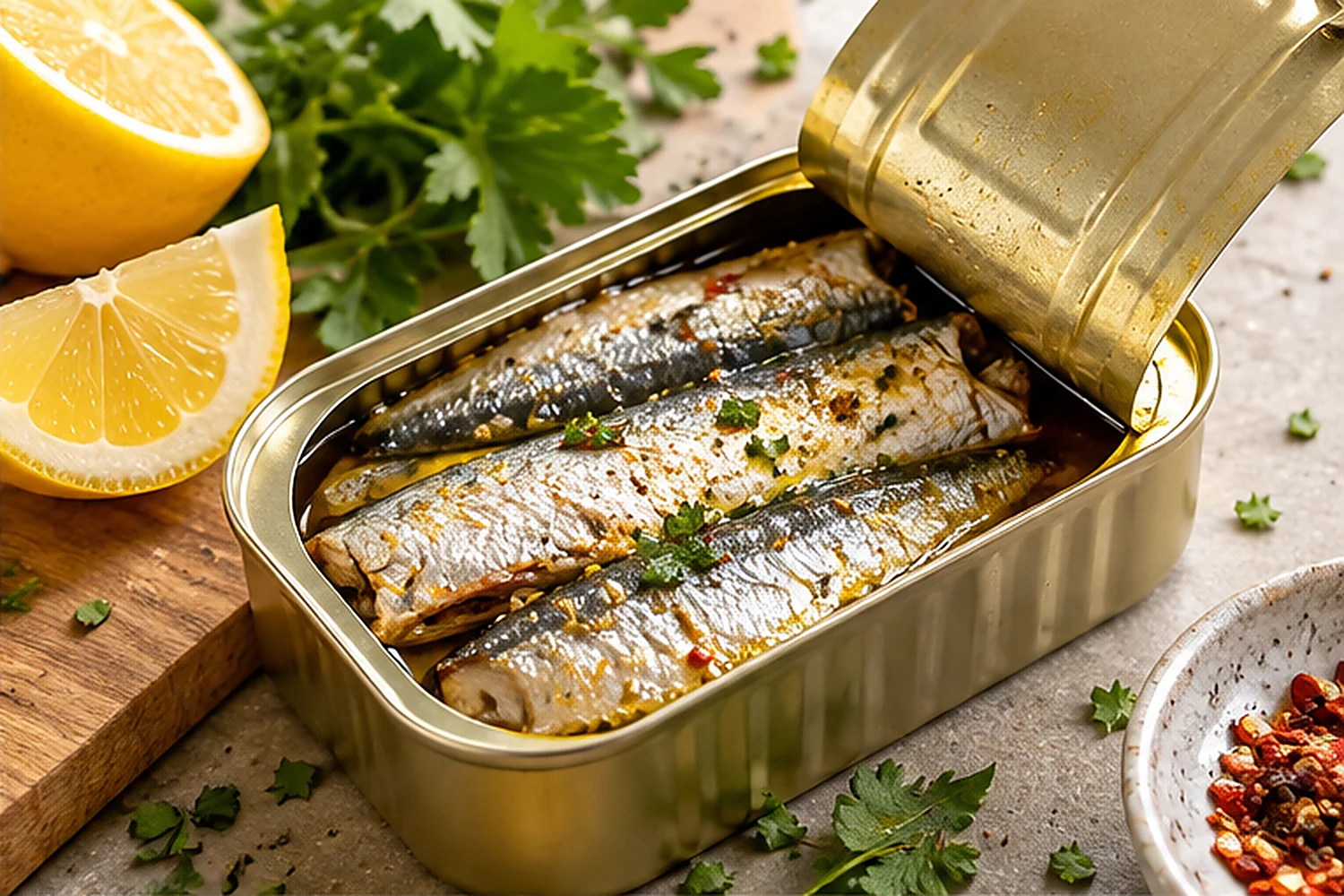
Calories and protein: what is in canned sardines?
A typical small tin is not always a 100-gram serving. Some brands list a serving as one can; others list grams or ounces, and the label may refer to drained fish or fish with its sauce. To compare products, look at calories, protein, sodium and the number of servings in the can.
Sardines provide omega-3 fats, vitamin B12 and, when their soft edible bones are included, calcium. They contain virtually no carbohydrate and no dietary fiber. That last point matters: even though sardines are protein-rich, your meals still benefit from beans, vegetables, fruit or whole grains for fiber and variety.
Water vs. olive oil: which canned sardines should you buy?
Both can work. Sardines packed in water make it straightforward to control how much oil you add to a salad or grain bowl. See our sardines in water vs olive oil comparison for a closer look at calories and packing liquids. Olive-oil-packed sardines can be delicious and fit a balanced diet, especially if you drain excess oil or account for the oil you serve. The actual calorie difference depends on how much packing oil is consumed and what each product’s label says.
If you watch sodium intake, compare brands before buying. Choose a flavor you genuinely enjoy: consistency with balanced meals is more useful than buying a tin you never want to open.
Five easy ways to eat canned sardines for weight-management goals
For more detailed instructions, explore our seven easy canned sardine recipes, including toast, chickpea salad, pasta and warm skillet meals.
- Lemon sardine and white bean salad: Toss drained sardines with white beans, cucumber, tomatoes, parsley and lemon. The beans add fiber, while the sardines contribute protein.
- Greek yogurt sardine lettuce cups: Flake sardines with plain Greek yogurt, mustard, chopped celery and black pepper. Spoon into crisp romaine leaves.
- Mediterranean sardine grain bowl: Add sardines to a modest serving of cooked quinoa, chopped vegetables and a lemon-herb dressing.
- Sardine toast with tomato: Use a slice of whole-grain toast, smashed sardines, tomato, lemon and chili flakes for a quick lunch.
- Warm sardine and vegetable skillet: Heat zucchini, peppers and garlic, then gently fold in drained sardines at the end to avoid overcooking.
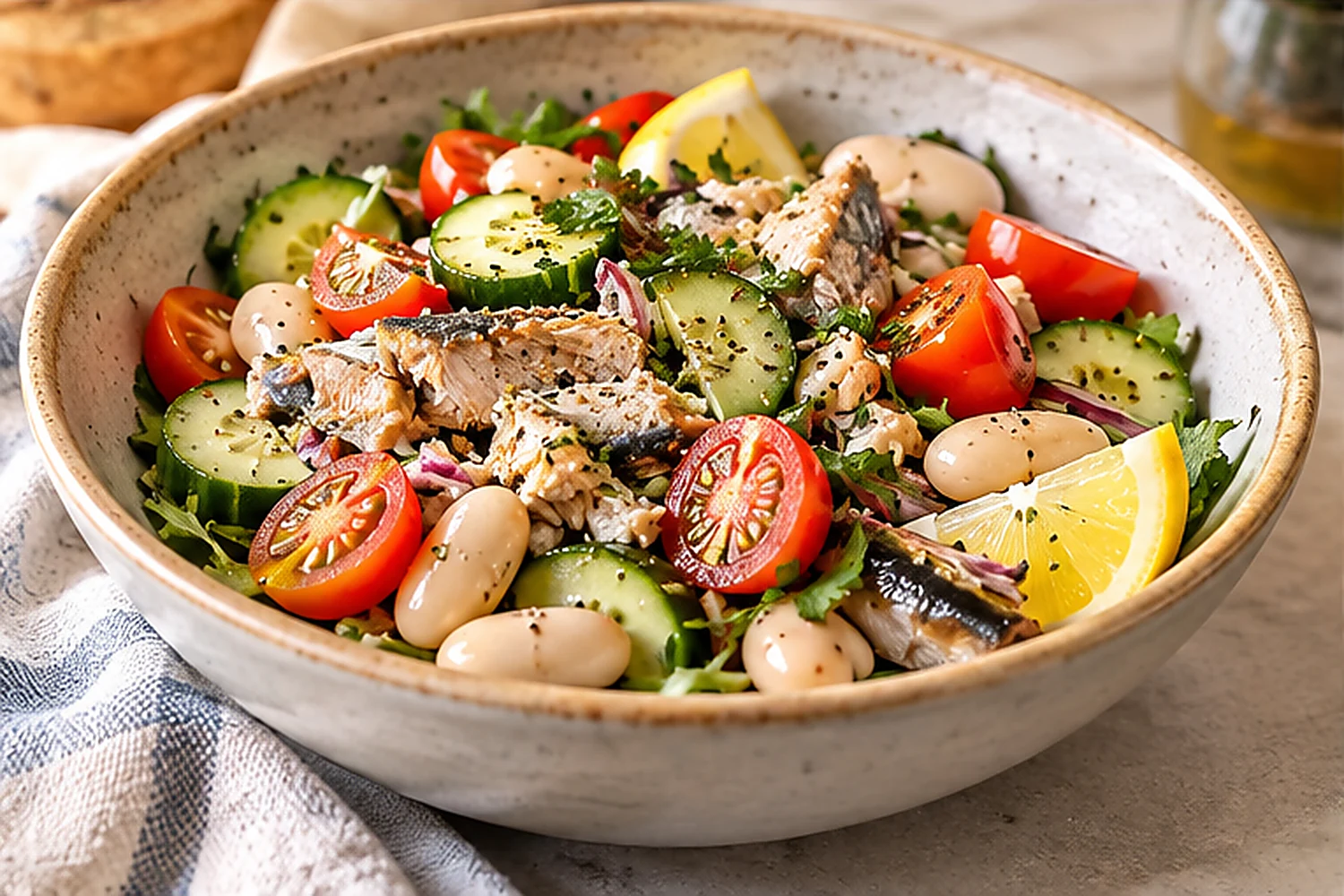
How to build a balanced sardine lunch
Start with one tin of sardines, then add a generous portion of non-starchy vegetables. Include a fiber-containing side such as beans, brown rice, whole-grain bread or fruit according to your appetite and preferences. Dress the meal with lemon, herbs, yogurt or a measured amount of olive oil. You can increase or decrease the portion sizes to suit your needs without following an extreme diet.
For a desk lunch, keep unopened tins in your pantry and pack chopped vegetables separately. For another protein-and-fiber lunch, try our tuna white bean protein salad. Once the sardines are opened, refrigerate leftovers promptly in a covered container and follow your local food-safety guidance.
What about the viral three-day sardine fast?
Our 3-day sardine fast guide examines the claims, reported results and nutritional drawbacks of this restrictive trend.
The so-called sardine fast is an online trend in which people eat almost nothing but sardines for several days. This restrictive approach is not supported by evidence as a special fat-loss method. Short-term weight changes may reflect reduced calories and shifts in water weight; excluding other foods also means excluding important sources of fiber and other nutrients. A varied eating pattern is the more sustainable option.
Recent nutrition reporting has raised these concerns as sardine-only diets and “sardinemaxxing” gained attention. Enjoy sardines as one protein source, rather than treating them as a complete diet.

Frequently asked questions
Can I eat canned sardines while trying to lose weight?
Yes. They can be part of balanced meals that fit your overall energy and nutrition needs. No individual food guarantees weight loss.
Are sardines in water lower in calories than sardines in oil?
They often can be, particularly when the packing oil is consumed. Check the serving size and nutrition facts on your specific tin for an accurate comparison.
How much protein is in one can of sardines?
It depends on the drained weight and brand. As a reference, 100 grams of oil-packed, drained Atlantic sardines contain approximately 24.6 grams of protein.
Can I eat canned sardines every day?
Variety is a good idea. Alternate sardines with other fish, legumes, eggs, dairy or other protein foods, and pay attention to sodium and your personal dietary needs.
Are sardines better than tuna for weight loss?
Neither is automatically better. Compare the actual calories and protein in the products and consider how you will prepare each. Sardines also offer omega-3 fats and calcium when eaten with their soft bones.
Do canned sardines contain mercury?
Sardines are categorized by the US FDA/EPA as a “Best Choice” fish with comparatively low mercury levels. The agencies still recommend eating a variety of seafood rather than relying on a single type.
Bottom line
Canned sardines are an affordable, protein-rich ingredient for quick lunches. For a balanced approach to weight management, pair them with vegetables and fiber-rich foods, check the nutrition label and skip extreme sardine-only challenges.
Nutrition note: Values are general reference figures, not a personalized meal prescription. Always check your own can’s label, especially for sodium, allergens and serving size.
References: FDA/EPA Advice About Eating Fish; USDA FoodData Central; Noom’s dietitian-reviewed guide to the sardine fast.
3 thoughts on “Are Canned Sardines Good for Weight Loss? Protein, Calories & Easy Meals”